

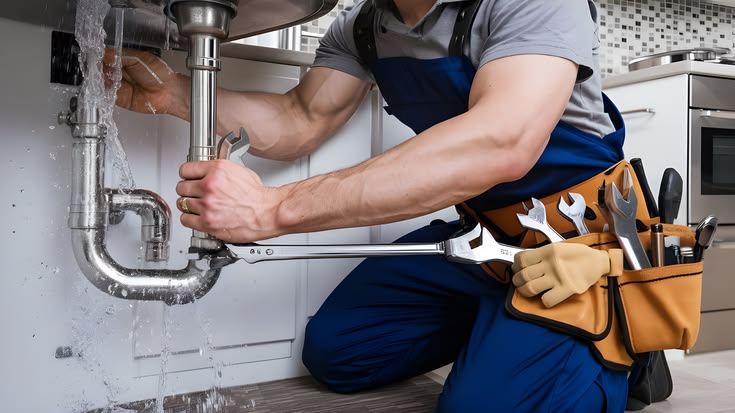
Sudden pipe failures usually happen when hidden plumbing problems build up over time and finally reach a breaking point. Corrosion, freezing temperatures, high water pressure, shifting soil, aging materials, and clogged lines can all weaken pipes until they burst, crack, or leak without much warning.
For homeowners, the damage can happen fast. A failed pipe can lead to water damage, mold growth, damaged flooring, structural issues, and expensive repairs. Knowing what causes pipe failures and how to prevent them can help you act before a small issue becomes an emergency.
Common Causes of Sudden Pipe Failures
1. Aging or Corroded Pipes
Older plumbing systems are more likely to fail, especially if the pipes are made from outdated materials. Over time, minerals, water chemistry, and normal wear can corrode the inside of pipes. This weakens the pipe walls and increases the chance of leaks or sudden breaks.
If your home has older plumbing, regular inspections from trusted local plumbers in Asheville, NC, such as Four Seasons Plumbing, can help identify weak points before they fail.
2. High Water Pressure
Strong water pressure may feel convenient, but pressure that is too high can strain your plumbing system. Pipes, fittings, valves, and appliances are all affected. Over time, constant pressure can cause joints to loosen, pipes to crack, or fixtures to leak.
A plumber can test your water pressure and recommend a pressure-reducing valve if needed.
3. Freezing Temperatures
When water freezes inside a pipe, it expands. This creates pressure that can cause the pipe to split or burst. Pipes in crawl spaces, exterior walls, garages, and unheated areas are especially vulnerable.
Insulating exposed pipes and keeping indoor temperatures stable during cold weather can lower the risk of freezing.
4. Clogs and Blockages
A clogged drain may seem minor, but severe blockages can increase pressure inside your plumbing lines. Grease, hair, wipes, food scraps, and mineral buildup can all contribute to restricted flow. When pressure builds behind a blockage, it may lead to leaks, backups, or pipe damage.
Professional drain cleaning is often safer and more effective than relying on chemical drain cleaners, which can damage pipes over time.
5. Ground Movement and Foundation Shifts
Pipes located underground or beneath the slab can be affected by soil movement, erosion, tree roots, or foundation settling. Even a small shift can stress pipe connections or cause cracks.
Warning signs may include unexplained wet spots in the yard, low water pressure, higher water bills, or damp areas inside the home.
6. Poor Installation or Previous Repairs
Improperly installed pipes, loose fittings, mismatched materials, or temporary patch repairs can all increase the risk of sudden failure. Plumbing work should always be completed by qualified professionals who understand local codes and long-term system performance.
Warning Signs Before a Pipe Fails
Some pipe failures seem sudden, but many show warning signs first. Watch for:
Low or changing water pressure, unusual sounds in the pipes, water stains on walls or ceilings, musty odors, unexplained increases in water bills, slow drains, recurring clogs, rust-colored water, or damp flooring.
If you notice any of these signs, it is best to schedule a plumbing inspection quickly.
How to Prevent Sudden Pipe Failures
The best way to prevent pipe failures is to stay ahead of small problems. Homeowners should schedule routine plumbing inspections, repair leaks early, insulate exposed pipes, avoid flushing wipes or grease, monitor water pressure, and replace aging pipes when needed.
During colder months, keep cabinets open under sinks, disconnect outdoor hoses, and protect pipes in crawl spaces or garages. If your home has frequent leaks or older plumbing, ask a licensed plumber whether repiping or targeted replacement may be the safer long-term option.
FAQs About Sudden Pipe Failures
What is the most common cause of sudden pipe failure?
The most common causes are aging pipes, corrosion, freezing temperatures, and high water pressure. In many cases, the pipe has already been weakening for months or years before it finally fails.
What should I do if a pipe bursts?
Turn off the main water supply immediately, avoid using electrical devices near standing water, and call a plumber right away. For urgent situations, 24/7 emergency plumbing services like Four Seasons Plumbing can help limit damage and restore your plumbing system safely.
Can sudden pipe failures be prevented?
Many pipe failures can be prevented with regular inspections, proper maintenance, pressure checks, insulation, and early leak repairs. While not every emergency can be avoided, routine plumbing care greatly reduces the risk.
Final Thoughts
Sudden pipe failures can cause serious damage, but most plumbing emergencies start with small warning signs. By paying attention to changes in water pressure, leaks, stains, clogs, and unusual sounds, homeowners can catch problems early and avoid costly repairs.
For peace of mind, work with licensed plumbing professionals who can inspect your system, make reliable repairs, and recommend preventive solutions before damage occurs. If you suspect a hidden leak, aging pipe, or urgent plumbing issue, contact a trusted local plumber today and protect your home before a small problem turns into a major emergency.
